Modern vehicles are marvels of technology, designed to keep us safer than ever before. But when your car undergoes a repair—whether it’s a minor bumper scuff, a panel realignment, or a windscreen replacement—restoring its pristine appearance is only half the job. The other half is ensuring your car’s digital safety net is functioning flawlessly. This is where Advanced Driver Assistance Systems (ADAS) recalibration comes in.
What Exactly is ADAS?
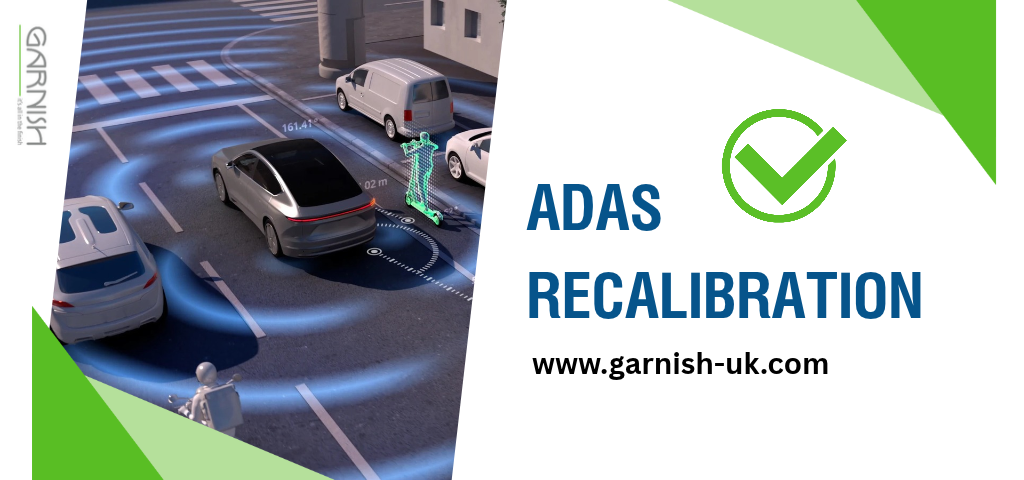
Advanced Driver Assistance Systems (ADAS) are technologies developed to automate, adapt, or enhance vehicle systems for better driving and safety. If you drive a modern car, you likely rely on these features every day. They include automatic emergency braking, lane departure warnings, adaptive cruise control, blind spot monitoring, and traffic sign recognition.
These systems use a complex network of cameras, radar units, and ultrasonic sensors to read the road around you. They act as a virtual co-pilot, constantly monitoring your surroundings to prevent collisions.
Why is Recalibration Necessary?
ADAS sensors are incredibly precise. A forward-facing camera behind the windscreen makes judgements about objects up to a hundred metres away; if that camera is moved by just a fraction of a degree, the margin of error at the far end can be measured in entire lane widths.
Because of this extreme sensitivity, recalibration is not just a standard service item linked to your mileage. It is absolutely crucial after specific repairs, including:
-
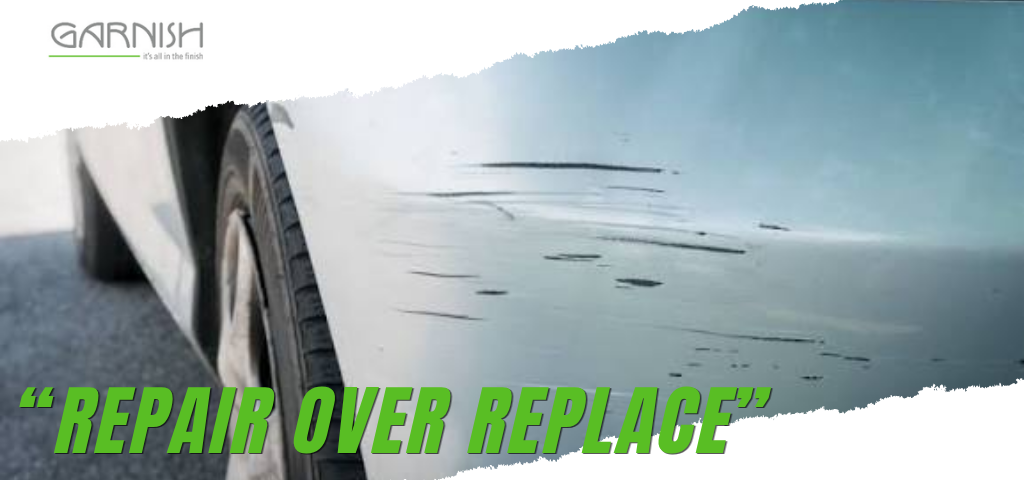
Panel or Bumper Repairs: Even a minor knock or the removal of a bumper can move the radar sensors hidden behind it.
-
Windscreen Replacement: Forward-facing cameras are mounted directly to the glass, meaning a new screen creates a new mounting position.
-
Wheel Alignment & Suspension Changes: Correcting your car’s geometry or altering its ride height changes the angle at which your cameras and radars look at the road.
Thatcham’s Insurance Industry Requirements state that inspection and calibration must be considered in every situation where ADAS sensors or vehicle geometry are involved in a repair.
The Hidden Dangers of an Uncalibrated System
What happens if you skip recalibration? An uncalibrated ADAS can cause serious and highly dangerous issues.
While sometimes a warning light will appear on your dashboard, the most troubling scenario is when the system looks perfectly fine but is operating on a false idea of where the road actually is. This can result in premature avoidance braking or a lane-assist system that actively nudges your vehicle toward the wrong line and into danger.
Static vs. Dynamic Calibration
Depending on your vehicle’s make and model, technicians will perform one of two procedures (and sometimes a combination of both) to restore your sensors:
-
Static Calibration: This involves adjusting cameras and sensors while the vehicle is stationary in a controlled workshop environment, using specialist aiming targets positioned relative to the vehicle’s thrust line.
-
Dynamic Calibration: This process involves a trained technician driving the vehicle on relatively straight roads at specified speeds to calibrate the system against real-world traffic and lane markings.
Trust Garnish UK for Complete Peace of Mind
At Garnish Exeter, our ultimate goal isn’t just making your vehicle look pristine—it’s returning it to the road in the safest possible condition to give you complete peace of mind behind the wheel. Whether we are fixing minor cosmetic damage, repairing a panel, or working around complex internal sensors, we understand the critical importance of your vehicle’s safety technology.
If your car has been in a recent scrape and needs expert attention, contact the team at Garnish UK. Give us a call at 01392 667722, email us at enquiries@garnish-uk.com, or visit our Marsh Barton workshop at 6 Clyst Units, Cofton Road, Exeter, EX2 8QW.