- Book Repair Now
- 01392 667722

As the leaves start to turn and the crisp autumn mornings roll into Devon, our driving conditions are about to change. We’ll soon be dealing with wet roads, muddy boots, and eventually, the dreaded gritters hitting the streets of Exeter.
While most of us remember to check our tyre tread and top up the screenwash, there’s one vital winter-prep step that many drivers overlook: fixing those minor cosmetic damages before the harsh weather sets in.
Whether it’s a bumper scuff from a summer trip to the seaside, a stone chip on the bonnet, or a curbed alloy, leaving these issues untreated through the colder months can turn a small, cheap fix into a massive headache. Here’s why autumn is the best time to visit the team at Garnish Exeter.
1. Road Salt and Grit Are Your Paintwork’s Worst Enemy
When your car’s clear coat and paint layers are scratched or chipped, the bare metal or plastic underneath is exposed to the elements. During autumn and winter, Devon’s roads are frequently covered in rain, road salt, and grit.
When salty water works its way into an untreated stone chip or deep scratch, it rapidly accelerates oxidation. What started as an annoying little chip in September can quickly blister into a bubbling rust patch by February. Once rust sets into a panel, a simple SMART paintwork repair is no longer an option, and you could be looking at expensive traditional bodyshop work or even replacement panels.
2. Pothole Season is Brutal on Compromised Alloys
Autumn rain hides potholes, and freezing winter temperatures break up the tarmac even further. If your alloy wheels are already curbed, scuffed, or damaged, their structural integrity and protective lacquer are compromised.
Moisture and brake dust can seep under the peeling lacquer of a scuffed alloy, causing the finish to degrade and corrode across the whole wheel. Getting your alloy wheels repaired now restores their protective coating, keeping them looking pristine and protecting them from the harsh, wet roads ahead.
3. Protecting Your Interior from Mud and Moisture
It’s not just the outside of your vehicle that suffers in the winter. Wet coats, muddy wellies, and damp umbrellas take a toll on your car’s interior. If your leather seats are already scuffed, cracked, or worn, the added moisture and dirt will work their way into the material, causing further splitting and staining.
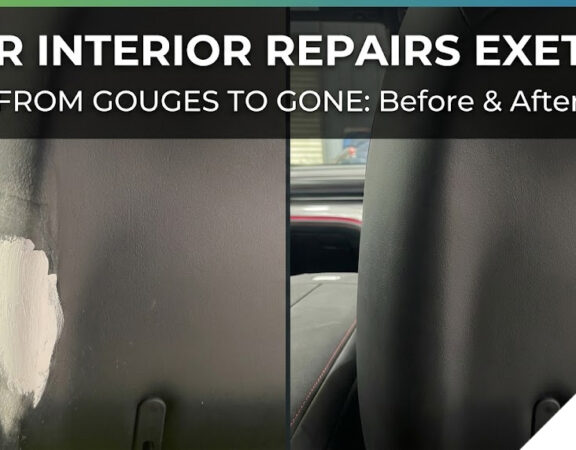
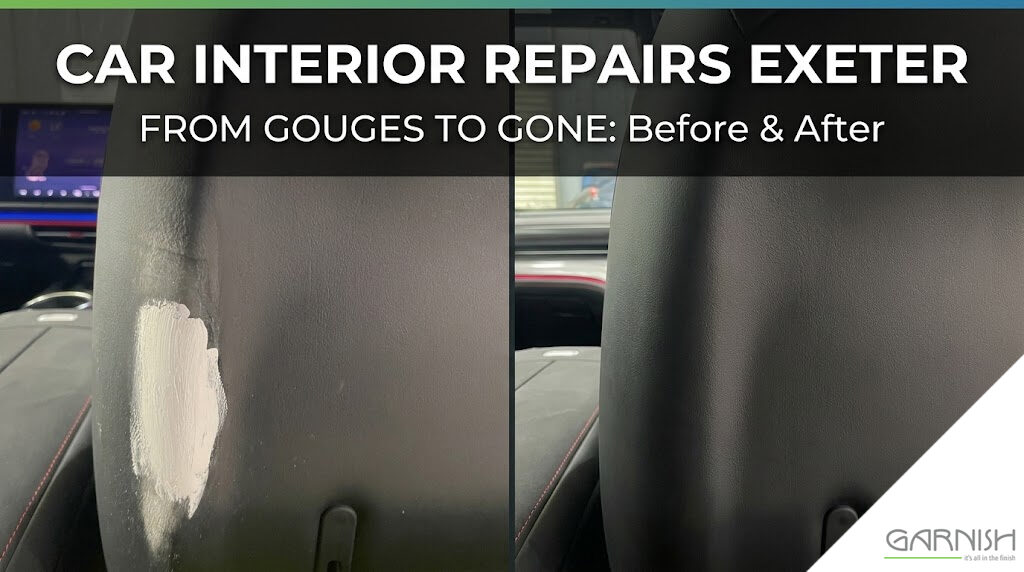
At Garnish, we don’t just do exterior paintwork. Our interior repair specialists can restore scuffed seat backs, worn steering wheels, and damaged door cards, ensuring your cabin is sealed, protected, and looking factory-fresh before the muddy season truly begins.
4. It’s Faster and More Affordable Than You Think
With Christmas just around the corner, nobody wants to spend a fortune (or lose their car for a week) dealing with bodywork repairs.
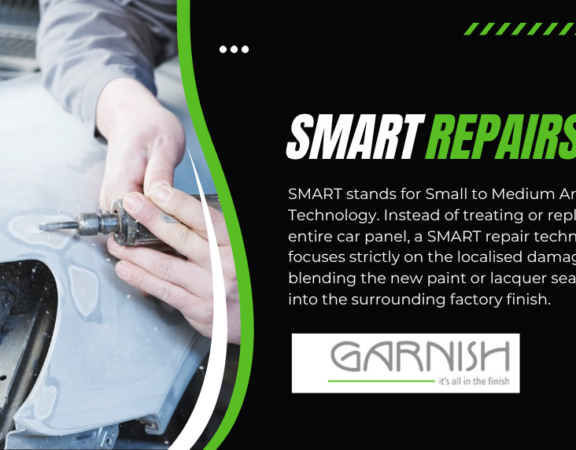
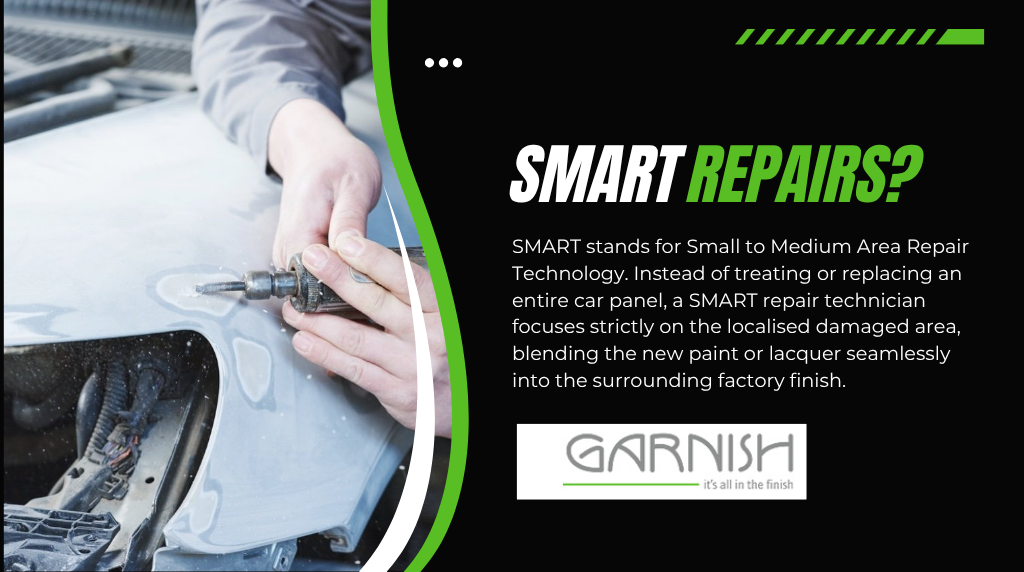
That’s the beauty of SMART (Small to Medium Area Repair Technology) repairs. Because we isolate and fix only the damaged area rather than respraying whole panels, the repairs are incredibly cost-effective. Plus, most of our paintwork and alloy repairs can be completed in just a few hours at our Marsh Barton workshop, meaning you can drop your car off in the morning and drive home the same day.
Ready to Get Your Car Winter-Ready?
Don’t wait for the frost and road salt to turn that minor scratch into major rust. Let the approachable, experienced team at Garnish Exeter sort it out quickly and affordably.
Pop down to see us at 6 Clyst Units, Cofton Road, Marsh Barton, Exeter (EX2 8QW), drop us an email at enquiries@garnish-uk.com, or call us today on 01392 667722 to book your repair!