Smart Repair vs. Traditional Bodyshop: Which One Does Your Car Need?
Finding a scratch, scuff, or dent on your car can ruin your day. Once the initial frustration passes, UK drivers usually face a common dilemma: Should I book a SMART repair or head to a traditional bodyshop?
Choosing the wrong method can cost you extra time and money, or worse, leave you with a sub-par finish. Let’s break down the differences, pros, cons, and best use cases for both so you can make the right call for your vehicle.
What is a SMART Repair?
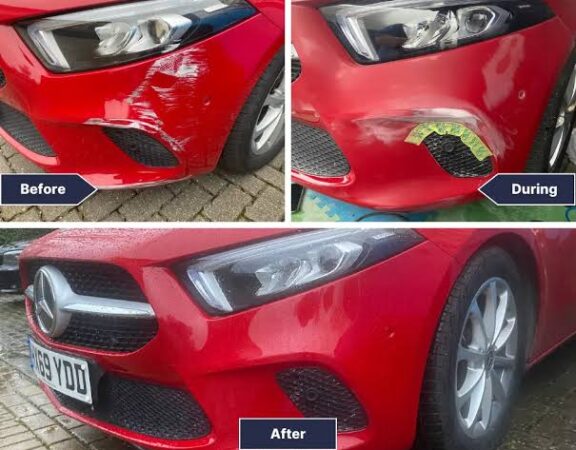
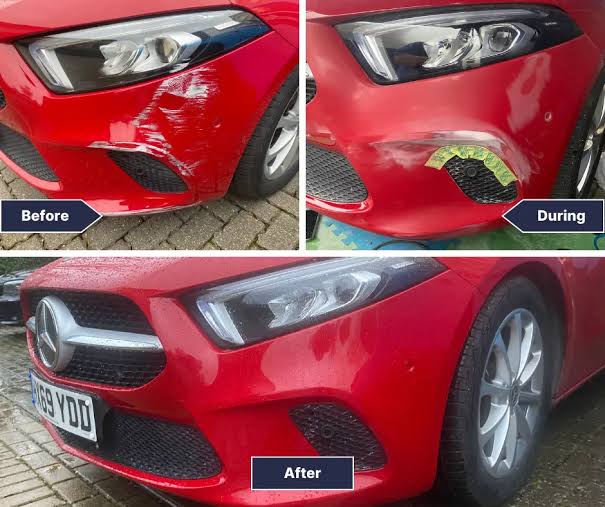
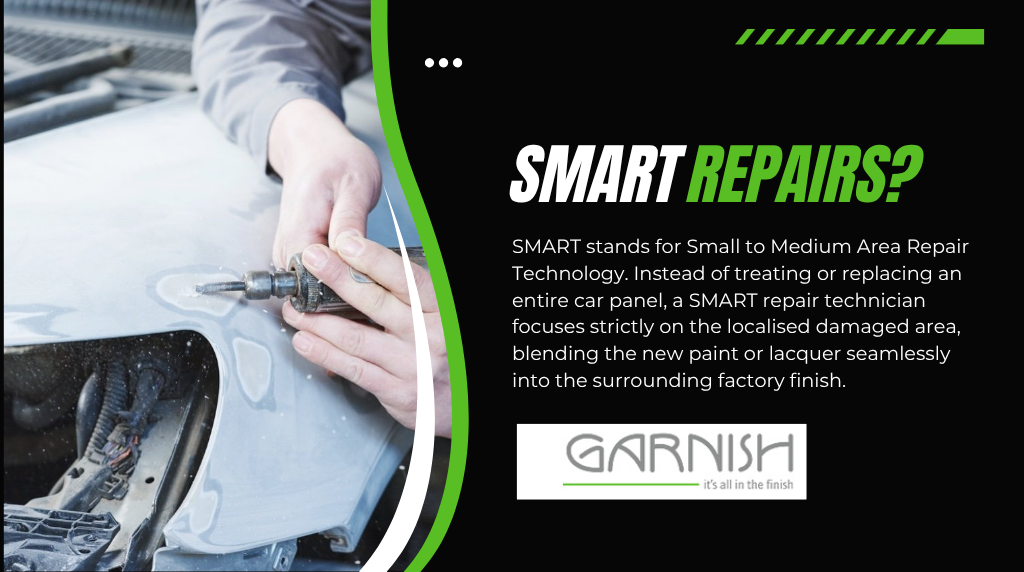
SMART stands for Small to Medium Area Repair Technology. Instead of treating or replacing an entire car panel, a SMART repair technician focuses strictly on the localised damaged area, blending the new paint or lacquer seamlessly into the surrounding factory finish.
-
Best for: Minor bumper scuffs, light surface scratches, stone chips, minor car park dents, and kerbed alloy wheels.
-
Where it happens: Often carried out as a mobile service at your home or workplace, or at a specialised fast-fit centre.
-
Turnaround time: Usually completed within a few hours.
Pros & Cons of SMART Repairs
-
Pros: Highly convenient (often comes to you), cheaper for minor blemishes, and allows you to keep your car.
-
Cons: Limited by the scale of the damage. Not suitable for deep structural issues or extensive panel destruction.
What is a Traditional Bodyshop Repair?
A traditional bodyshop is a fixed workshop equipped for comprehensive vehicle restoration. Whether it’s a severe collision, major panel deformation, or multi-panel respraying, bodyshops handle the heavy lifting.
The process often involves stripping back the panel, filling, priming, and baking the paint inside a controlled spray booth oven to guarantee durability and an exact factory-standard match.
-
Best for: Major accident damage, deep dents that have stretched the metal, rust issues, structural frame repairs, or damage spanning multiple panels.
-
Where it happens: Fixed, professional workshop facilities.
-
Turnaround time: Anywhere from a couple of days to over a week, depending on the severity.
Pros & Cons of Bodyshop Repairs
-
Pros: Flawless, long-lasting factory-quality finish, comprehensive warranties, and essential for insurance or structural claims.
-
Cons: More expensive, and you may need to arrange alternative transport or a courtesy car while your vehicle is in the shop.
Quick Comparison Table
| Feature | SMART Repair | Traditional Bodyshop |
| Scope of Damage | Localised, cosmetic only | Minor cosmetic to heavy structural |
| Location | Mobile (comes to you) or specialised unit | Fixed workshop |
| Turnaround | Same day (a few hours) | Several days |
| Panel Treatment | Targeted area only | Full panel repair, respray, or replacement |
| Cost | Generally lower | Higher (reflecting labour and materials) |
Which One Should You Choose?
The damage itself usually makes the choice for you:
-
Go with a SMART repair if: You have an isolated scratch on a door wing, a scuffed bumper corner from a tight parking space, or minor alloy wheel scrapes, and you want a quick fix to avoid lease-end penalties or keep your car looking sharp without breaking the bank.
-
Go with a bodyshop if: Your car has been in a collision, the metal is creased or folded, the paint has peeled extensively, or multiple panels are affected. If you want a pristine, undetectable finish that protects your car’s long-term resale value, the bodyshop is the gold standard.